UV-C Air Purifier Dangers: 8 Hidden Risks You Need to Know in 2025
UV-C air purifiers use 254nm wavelength light to destroy the DNA and RNA of bacteria, viruses, and mold. Research from NIST found these devices produce formaldehyde, ultrafine particles, and nearly 1,000 gas-phase compounds as byproducts. This guide covers eight science-backed UV-C air purifier dangers and how to protect your family.
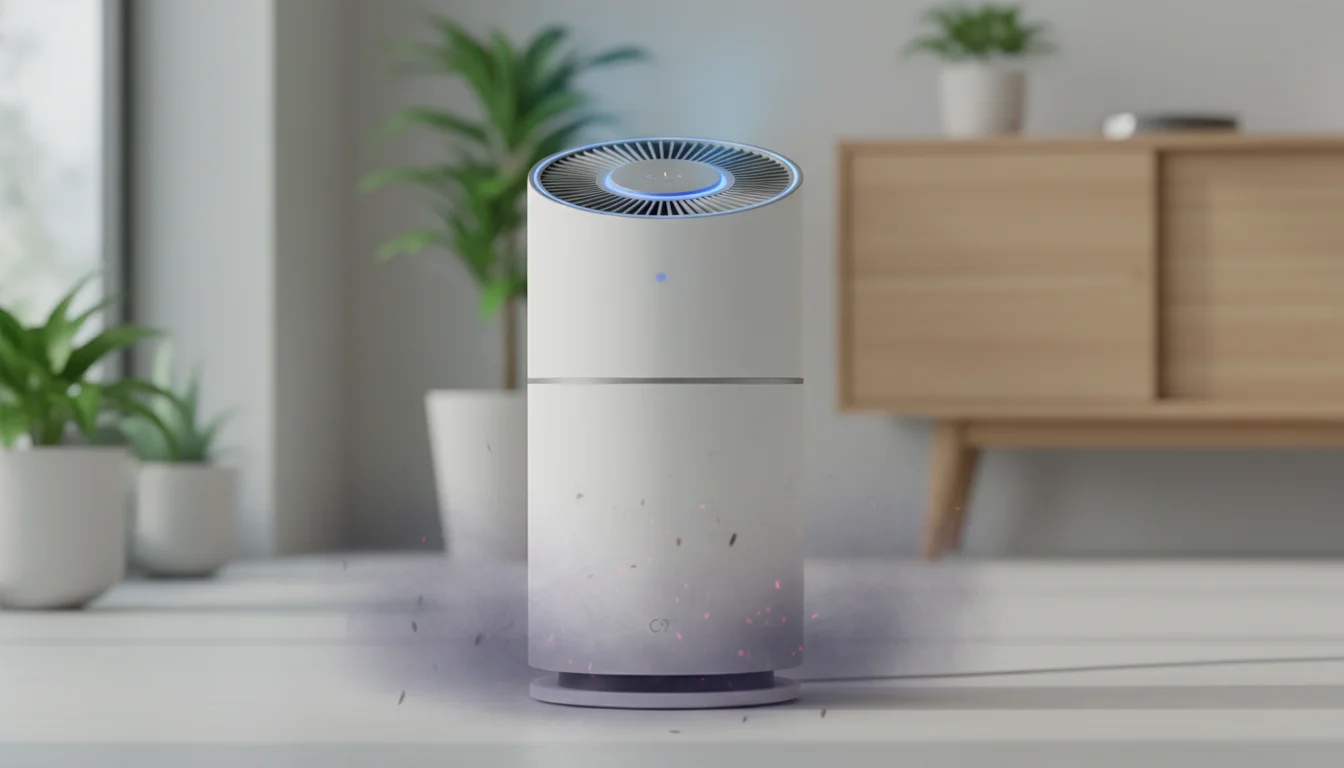
How UV-C Air Purifiers Work (And Why That Creates Risks)
The same germicidal properties that kill pathogens create direct hazards to humans and pets in your home.
UV-C radiation operates at wavelengths between 200-280nm. This range damages cellular genetic material, making it effective against microorganisms. The problem is that human skin and eyes are equally vulnerable to this damage.
| UV Type | Wavelength | Primary Use | Danger Level |
|---|---|---|---|
| UV-A | 315-400nm | Tanning, curing | Low |
| UV-B | 280-315nm | Vitamin D synthesis | Moderate |
| UV-C | 200-280nm | Germicidal disinfection | High |
Enclosed systems keep UV-C light contained within the device housing, while exposed systems allow light to escape into living spaces. This distinction determines whether your purifier poses a constant threat or operates safely.
The UV-C light health risks become clear when you consider that hospital-grade germicidal UV equipment requires empty rooms during operation. Your home unit uses the same technology at lower intensities.
The Ozone Paradox: How UV-C Purifiers Can Pollute Your Air
UV-C light below 240nm converts oxygen molecules into ozone, turning your air purifier into an air polluter.
The EPA sets safe indoor ozone limits at 0.05 parts per million. California's Air Resources Board prohibits selling air cleaners that exceed this threshold. Many consumer UV-C devices generate ozone levels that approach or exceed these limits during normal operation.
- Respiratory irritation: Ozone triggers coughing, throat irritation, and chest pain at concentrations as low as 0.1 ppm
- Asthma complications: Ozone exposure worsens asthma symptoms and increases attack frequency
- Cumulative damage: Long-term low-level exposure causes permanent lung function decline
- Secondary reactions: Ozone reacts with household VOCs to create additional toxic compounds
MIT News found that UV-C devices produce hydroxyl radicals that oxidize indoor VOCs. Jeffrey Kroll, MIT researcher, stated: "These oxidized volatile organic compounds, in some cases turn out to be more harmful to human health than their unoxidized precursors."
The "ozone-free" labels on many products deserve skepticism. Testing conditions rarely match real-world home environments with varying humidity, temperature, and chemical loads.
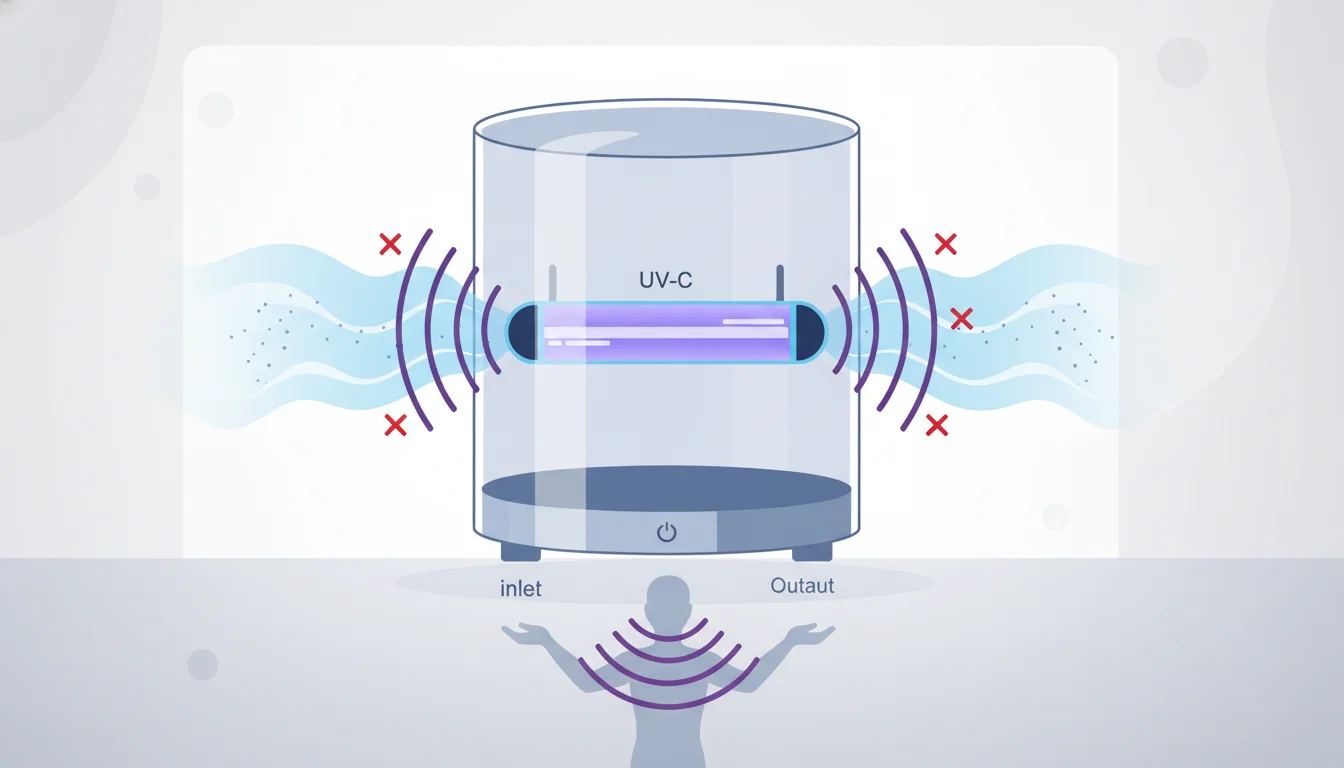
Direct Exposure Dangers: Skin and Eye Damage Risks
Brief direct exposure to UV-C causes photokeratitis and skin burns within hours, with symptoms appearing before you realize the damage has occurred.
Photokeratitis, known as welder's flash, causes intense eye pain, redness, tearing, and light sensitivity. The corneal epithelium absorbs UV-C radiation at the surface level. Symptoms peak 6-12 hours after exposure—long after you've left the area.
- Eye injuries: Corneal inflammation from seconds of direct exposure
- Skin burns: Erythema and superficial burns from brief overexposure
- Child vulnerability: Lower height puts faces closer to floor-level portable units
- Pet risks: Curious animals investigate glowing lights without understanding the danger
- Cancer concerns: Repeated exposure increases long-term skin cancer risk
[ACS Environmental Science & Technology Letters] documented a case where healthcare workers suffered acute UV-C injuries with symptoms lasting years. Safety shields and automatic shutoffs exist for good reason.
Portable UV-C wands marketed for home disinfection expose users directly to germicidal radiation. These devices belong in professional settings with proper training and protective equipment.
Secondary Pollution: Chemical Reactions You Don't See
UV-C light reacts with common household chemicals to produce formaldehyde, carcinogenic VOCs, and ultrafine particles that penetrate deep into lung tissue.
Your cleaning products contain limonene. Your furniture off-gasses VOCs. Your air fresheners release aromatic compounds. UV-C radiation transforms these ordinary substances into respiratory hazards through oxidation reactions.
| Source Chemical | UV-C Byproduct | Health Effect |
|---|---|---|
| Limonene (cleaners) | Formaldehyde | Carcinogen, respiratory irritant |
| Furniture VOCs | Oxidized VOCs | Lung inflammation |
| Air fresheners | Secondary organic aerosols | Cardiovascular stress |
| Ambient oxygen | Ozone | Respiratory damage |
NIST detected ultrafine particles small enough to enter the bloodstream and cause systemic inflammation. These particles measure less than 100 nanometers—invisible to the eye and undetectable without laboratory equipment.
Poor ventilation concentrates these byproducts. Running a UV-C purifier in a sealed room creates a chemical reactor where harmful compounds accumulate with each passing hour.
UV-C vs HEPA: Which Technology Is Actually Safer?
HEPA filters physically trap particles without producing chemical byproducts, making them inherently safer for continuous home operation.
The technologies address different problems. HEPA captures allergens, dust, pet dander, and particles down to 0.3 microns. UV-C targets living microorganisms but passes right through non-biological particles.
| Factor | HEPA | UV-C |
|---|---|---|
| Ozone production | None | Variable |
| Secondary pollutants | None | Formaldehyde, VOCs |
| Allergen removal | Excellent | None |
| Pathogen destruction | Limited | Good |
| Maintenance | Filter replacement | Bulb replacement |
| Safety concerns | Minimal | Significant |
Combination units multiply complexity. You get HEPA benefits alongside UV-C risks. The UV-C component requires separate maintenance schedules and introduces all the hazards discussed above.
UV-C makes sense in specific situations: medical facilities with trained staff, HVAC systems with contained exposure, and spaces with documented pathogen concerns. For typical homes focused on dust, allergens, and general air quality, HEPA delivers results without the danger profile.
Safety Guidelines: How to Minimize UV-C Air Purifier Dangers
Choose FDA-cleared devices with California Air Resources Board certification and fully enclosed UV-C chambers that prevent light escape.
Certification matters. CARB certification limits ozone emissions to 0.05 ppm. FDA clearance indicates the device meets basic safety standards. Uncertified products from unknown manufacturers skip these protections to reduce costs.
- Enclosed systems only: UV-C light must remain completely contained within the device housing
- Avoid sensitive areas: Keep UV-C purifiers out of bedrooms, nurseries, and spaces where pets spend time
- Ventilation requirements: Run UV-C devices only in well-ventilated rooms to dilute secondary pollutants
- Maintenance schedules: Replace bulbs according to manufacturer specifications—degraded bulbs produce more ozone
- Warning signs: Unusual smells, visible light escaping the unit, or respiratory symptoms indicate malfunction
Professional installation inside HVAC ductwork offers the safest UV-C application. The light never enters living spaces. Air passes through the germicidal zone and returns clean without direct human exposure.
If you smell ozone near your UV-C purifier, something is wrong. That sharp, chlorine-like odor signals unsafe emission levels requiring immediate attention.
FAQ
Do UV-C air purifiers work against COVID-19?
UV-C radiation inactivates SARS-CoV-2 under laboratory conditions with sufficient exposure time and intensity. Home units vary widely in effectiveness. Most lack the power and air contact time needed for reliable pathogen destruction during normal operation.
How long does UV-C eye damage take to heal?
Photokeratitis symptoms typically resolve within 24-72 hours as the corneal epithelium regenerates. Severe cases require medical treatment and may cause persistent sensitivity. Repeated exposures increase the risk of permanent damage, including cataracts.
Are UV-C air purifiers safe for babies?
Enclosed, certified UV-C systems pose minimal direct risk to infants. Open or portable UV-C devices create unacceptable exposure risks for non-mobile children. Secondary pollutants affect developing respiratory systems more severely than adult lungs. HEPA purifiers offer safer alternatives for nurseries.
What does UV-C ozone smell like?
Ozone produces a sharp, clean smell similar to chlorine or the air after a thunderstorm. Detecting this odor near your purifier indicates unsafe emission levels. Properly functioning low-ozone devices produce no detectable smell during normal operation.
How often should UV-C bulbs be replaced?
Most manufacturers recommend replacement every 9-12 months of continuous operation. Degraded bulbs lose germicidal effectiveness while potentially increasing ozone production. Follow your specific device's maintenance schedule for optimal safety and performance.
Do HEPA filters remove viruses?
HEPA filters capture particles as small as 0.3 microns with 99.97% efficiency. Many viruses attach to larger respiratory droplets that HEPA traps effectively. Standalone viruses smaller than 0.3 microns may pass through, though capture rates remain substantial due to diffusion effects.
Is it safe to be in a room with a UV-C purifier running?
Enclosed systems with proper shielding allow safe room occupancy during operation. Open UV-C devices require empty rooms. Check your specific model's safety certifications and design before assuming continuous presence is safe.
Share this post
Related Posts
UV Air Purifier for HVAC: Complete 2025 Guide to Cleaner Indoor Air
UV Air Purifier for HVAC: Complete 2025 Guide to Cleaner Indoor Air
Air Purifier With Window Open: Does It Work? (2025 Guide)
Air Purifier With Window Open: Does It Work? (2025 Guide)
Air Purifiers for Cigarette Smoke: What Actually Works (2025 Guide)
Air Purifiers for Cigarette Smoke: What Actually Works (2025 Guide)